
Port Royal: the harbour that shaped Roatán's history
Pirates, a forgotten fort and a harbour "capable of being made impregnable": the story of Roatán's east end.
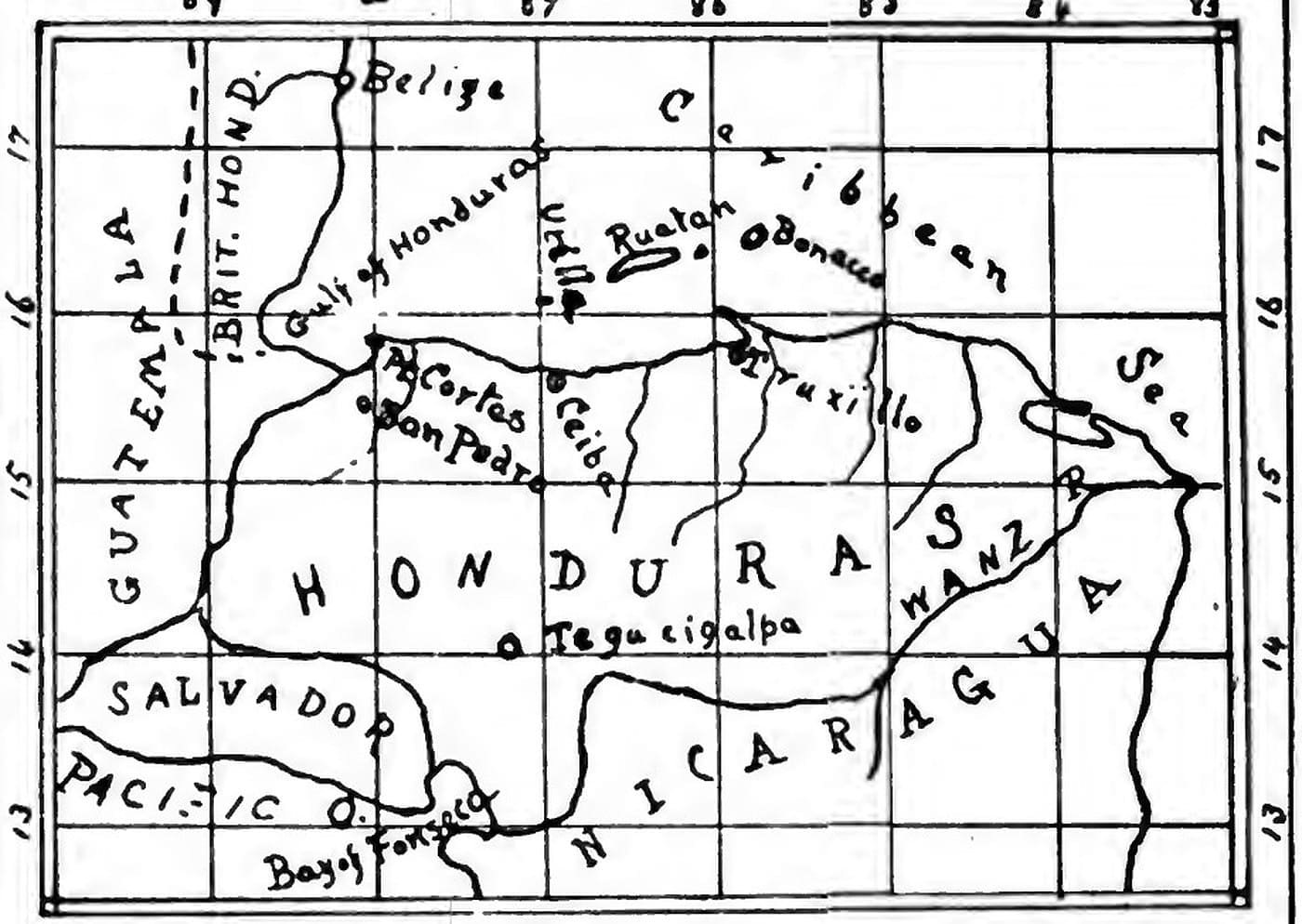
Long before cruise ships and dive boats, one harbour on Roatán's south shore, toward the east end, drew the ships sailing between Jamaica and the Bay of Honduras. The English called it Port Royal.
A harbour built for hiding
In 1822 Thomas Strangeways, quoting older sailing guides in his book promoting the colony of Poyais, called it "a very fine harbour, and capable of being made impregnable." Rocks and shoals guard the entrance, he wrote, leaving room for only one ship at a time to pass. Inside there was space for twenty or twenty-five warships, a small cay called Careening Kay where vessels could be cleaned and repaired, and fresh water from a stream. Best of all, in words he took from the Columbian Navigator, "the heights of Ruatan command such an extensive prospect, that no vessels can pass to the Bay of Honduras without being seen from them."
Privateers and pirates
That made Roatán valuable to anyone raiding Spanish shipping. E. O. Winzerling found a Spanish captain's letter from 1578 reporting that English raiders had taken Guanaja and Roatán. In the 1630s the English Puritan colony on Old Providence island sent its privateers past Roatán's windward side, and in 1638 the Providence Company granted land on the island to William Claiborne, a Virginia planter.
Winzerling also describes the ruin of a fort on Roatán, "built perhaps in 1641–42" by Captain Samuel Axe and men who had escaped from Providence. Writing in 1904, Richard Rose quoted Señor Antonio R. Vallejo: a party of filibusters occupied the islands in 1642, until a strong Spanish expedition of warships dislodged them in March 1650. The few remaining native islanders were then moved to the mainland near the Motagua River.
In 1683, Winzerling writes, the buccaneer Nicolas Van Horn gathered the pirate captains and their fleets at Roatán and Belize before their raid on Vera Cruz.
A British garrison
The English came back in force in 1742. According to Strangeways, they took possession of the island and built a fort with a garrison of 250 men. "One Pitts, a logwood cutter, was its first governor, who never had a successor." Strangeways also mentions two small batteries that had once guarded the harbour, one on George's Isle and one on a high point to the southwest.
Later arrivals
Port Royal kept turning up at turning points. Rose and Winzerling record that in 1797 British warships brought the Garifuna people, exiled from St. Vincent, to Roatán, landing them at Port Royal, a story we will tell properly in its own post. And in 1838, he writes, a British sloop of war sailed in, hauled down the Central American flag and raised the British one, an early sign of the British interest that made the Bay Islands a British colony until 1861.
Visit the east end
Today the east end, where Port Royal lies, is the quieter side of Roatán. A private boat day is the best way to see it from the water, the way every sailor once did.
Experiences in this story
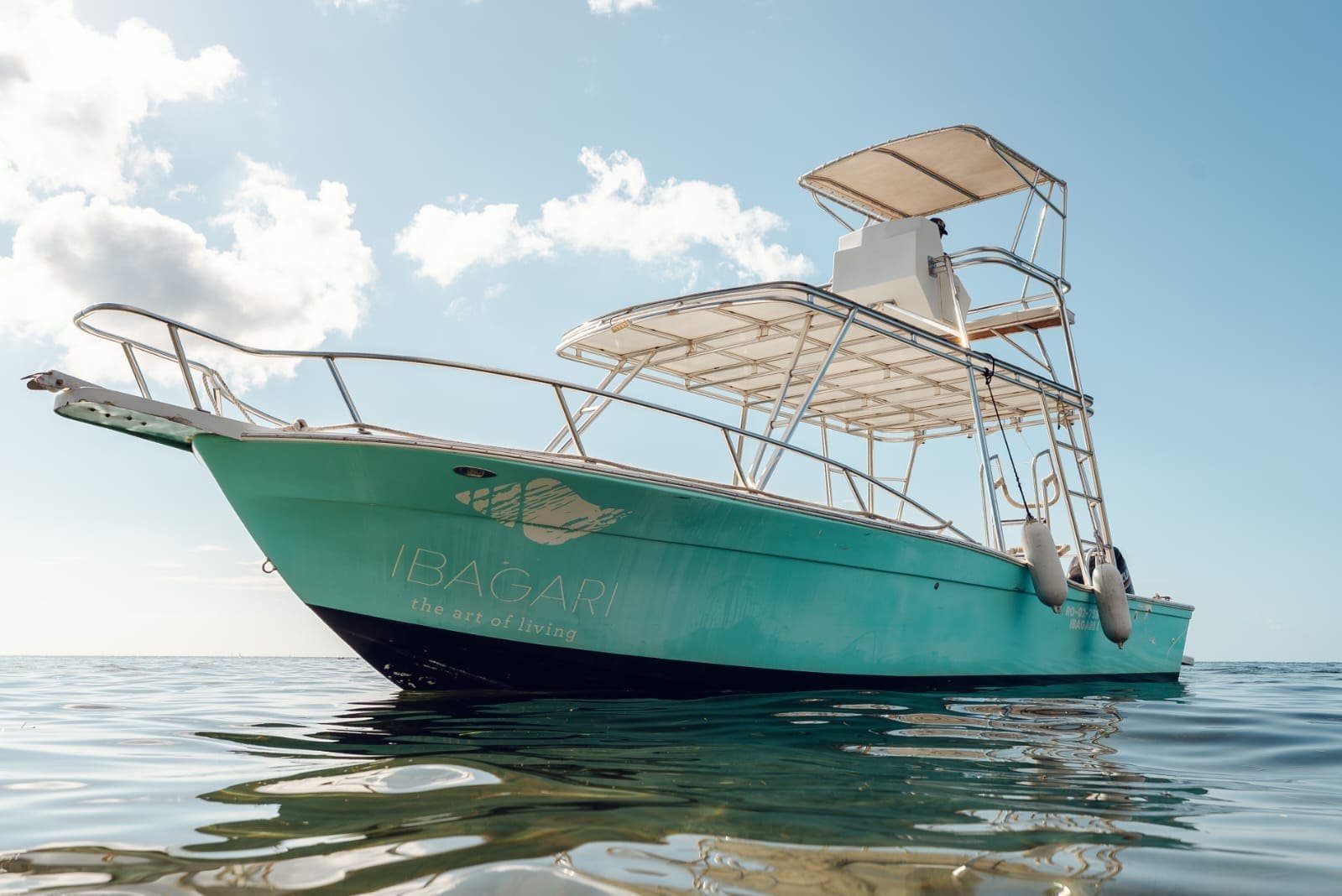
Private boat day
A private day on the water, arranged with Ibagari in West Bay
More stories
 October 9, 2026From Grand Cayman to the Bay Islands: the settlers who built island lifeIn 1836 one family from Grand Cayman landed on the Utila cays. Within a generation the Bay Islands had a flag, an assembly and a treaty.Read the story
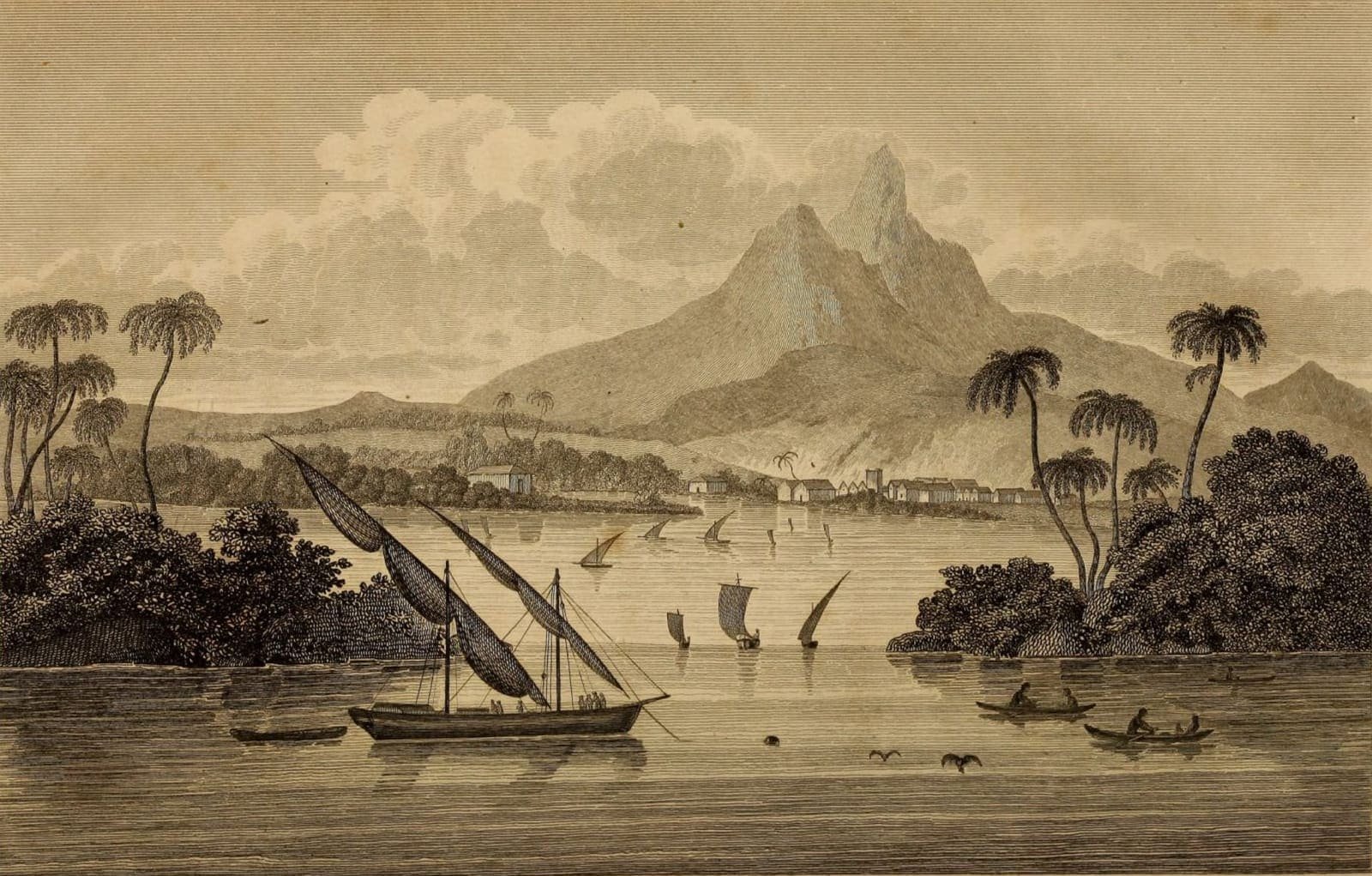 October 9, 2026The fake prince who claimed RoatánIn 1822 a Scottish schemer sold bonds in a colony that was never built, and his promotional book said Roatán was his.Read the story
 October 9, 2026Coxen Hole and the buccaneer John CoxonRoatán's main town is traditionally linked to John Coxon, a seventeenth-century buccaneer who lived here.Read the story