
Island stories.
Roatán's history and people — pirates, settlers and island life — from old books and local voices.
Roatán is a long, green ridge in the Caribbean, sixty kilometres of hills and reef off the north coast of Honduras. It is small, but a lot of history has passed through it — and the people who live here today carry all of it.
The first islanders
Long before any ship arrived, the Bay Islands belonged to the Pech, who farmed, fished and traded with the mainland by canoe. Christopher Columbus reached nearby Guanaja on his fourth voyage in 1502, and within a few decades Spanish slave raids had emptied much of the islands.
Pirates, harbours and a buccaneer's name
Empty islands with deep, reef-sheltered bays were exactly what English, French and Dutch buccaneers wanted. Through the 1600s they used Roatán to rest, careen their ships and raid Spanish cargo. Some of their names are still on the map.
In the 1740s Britain went further and fortified the island's best harbour, on the east end. Its story says a lot about why Roatán kept changing hands.
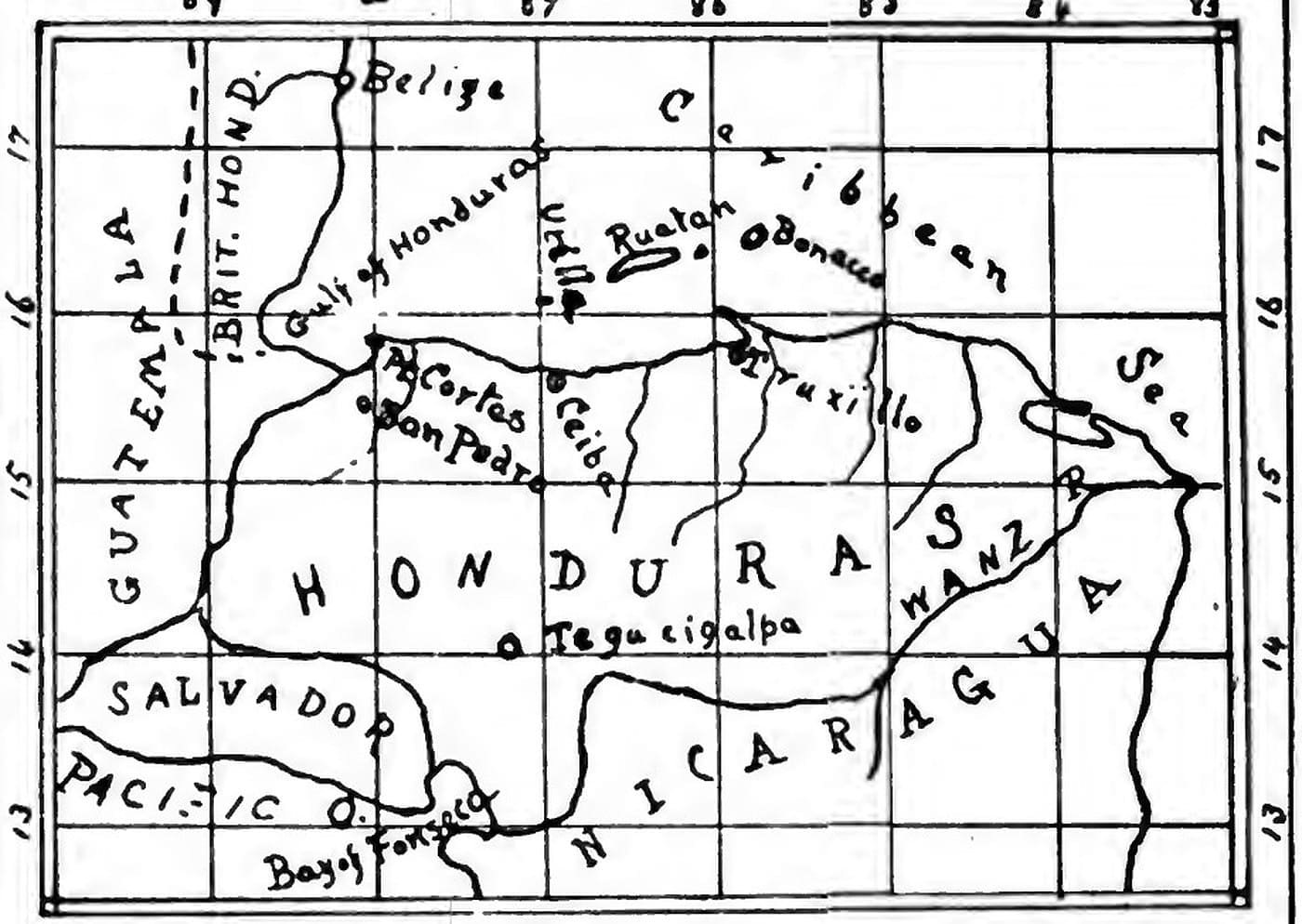
Exiles, schemers and settlers
In 1797 the British landed around two thousand Garifuna people, exiled from the island of St. Vincent, on Roatán's shore at Punta Gorda. Most moved on to the mainland coast, but Punta Gorda is still a Garifuna town, with its own language, drumming and food.
The early 1800s brought stranger visitors — including a Scottish adventurer who sold Europe a country that did not exist.
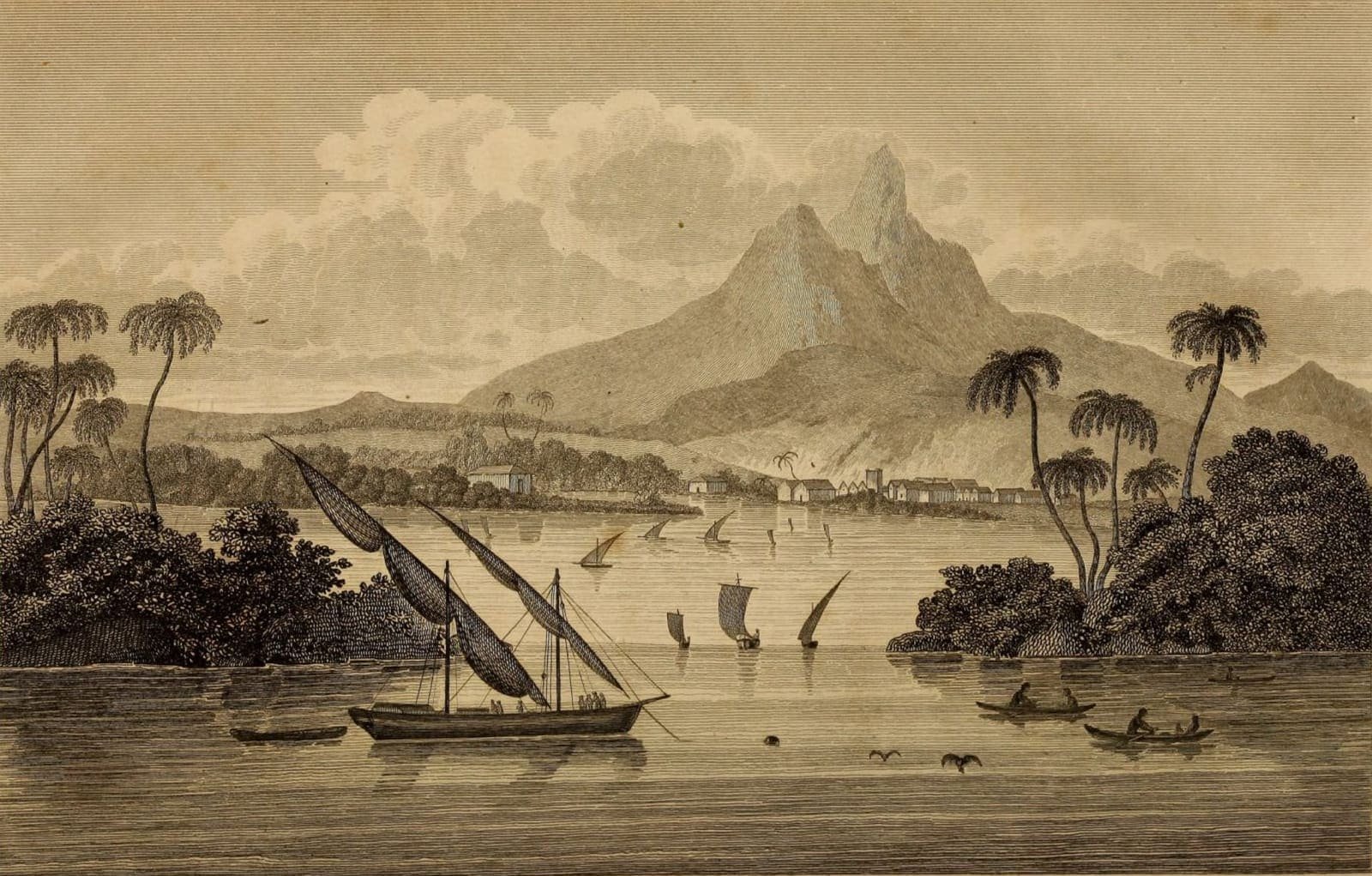
From the 1830s, families from the Cayman Islands sailed west and settled the Bay Islands for good. Their English, their boat-building and their surnames are still everywhere you go.
Island people today
Britain made the Bay Islands a colony in 1852, then handed them to Honduras by treaty, completed in 1861. That is why Roatán is Honduran but grew up speaking English. Today island English, Garifuna and Spanish are all spoken here, by fishing families, boat captains, divers, cooks and newcomers from the mainland and abroad. The stories below are theirs.