
Guanaja, 1502: the day Columbus met a giant Maya trading canoe
On his fourth voyage, Columbus stopped at Guanaja, and a great dugout canoe paddled up loaded with cotton, gold and pottery. It was the first sign of a richer world on this coast.
Long before cruise ships, dive boats or island ferries, a fleet from Spain lay off Guanaja, the easternmost of the Bay Islands. The year was 1502. Christopher Columbus was on his fourth and last voyage, and what paddled up to his ships that day changed what Europeans believed lay on this side of the Caribbean.
A canoe cut from one tree
The historian E. O. Winzerling sets the scene in his 1946 book *The Beginning of British Honduras 1506–1765*. While Columbus was at Guanaja, the island many people here still call Bonacca, a great dugout canoe arrived from a land to the northwest.
It was no fishing skiff. Winzerling describes a boat about eight feet wide, carved from a single log and driven by some two dozen paddlers. Picture that coming across open water toward a Spanish ship and you start to understand the moment.
Then there was the cargo: cotton mantles, gold earrings and pottery. These were the goods of people who wove, worked metal and traded over long distances. To Columbus they were a sign that he had reached the edge of a civilisation richer than any he had met on his earlier voyages.
Winzerling gives the canoe's homeland as "Maiam" and calls the man aboard "a Maya chief or trader". That is his reading of the old accounts. We repeat it as his interpretation, not as settled fact, but it is a striking picture: a trading voyage of the Maya world crossing paths with Spain off a small green island in the Bay of Honduras.
How the islanders struck him
Richard H. Rose, writing about the Bay Islands in his 1904 book *Utilla: Past and Present*, adds what Columbus made of the people who lived on the islands. Columbus described them as handsome, tall and peaceable.
It's a short line, but it's an early glimpse of the Bay Islanders through a European's eyes. It was written at the very start of a long and often painful history between the islands' first people and the newcomers who followed.
Guanaja, the front door to the coast
Guanaja did not stay a single stop on one voyage. Winzerling notes that a few years later, in 1506–07, the navigators Pinzón and Solís used Guanaja as their starting point for exploring the Gulf of Honduras.
So the island became a kind of front door to the mainland. It was where Europeans first met the people of this coast, and where they set out from to find out what lay beyond. Every later chapter of the Bay Islands' story, from buccaneers to boatbuilders, comes after that first meeting off Guanaja.
Where these facts come from
The facts in this story come from E. O. Winzerling, *The Beginning of British Honduras 1506–1765* (1946), pages 3–4, and Richard H. Rose, *Utilla: Past and Present* (1904). The words are our own. Where Winzerling offers an interpretation, such as the canoe's homeland and who was aboard, we have said so.
Seeing Guanaja today
Guanaja is a day trip or a short flight from Roatán, and it's still the island where this coast's written history begins. Climb the high ridge and you can look out over the water to the mainland, the coast that Pinzón and Solís set off from Guanaja to explore.
Standing up there, it's easy to imagine the sea before sails: dugouts crossing from island to coast, carrying cloth, gold and clay pots between peoples who had traded here for generations.
If you'd like to make the crossing, tell us your dates and where you're staying on Roatán. We'll arrange the travel there and back and plan the rest of your days on Roatán around it, so all you have to do is enjoy the view.
Experiences in this story
Airport transfer
A private ride from Roatán's airport straight to where you're staying, at one flat price.
Private driver
Your own local driver for the whole day: stop wherever you like, for as long as you like.
More stories
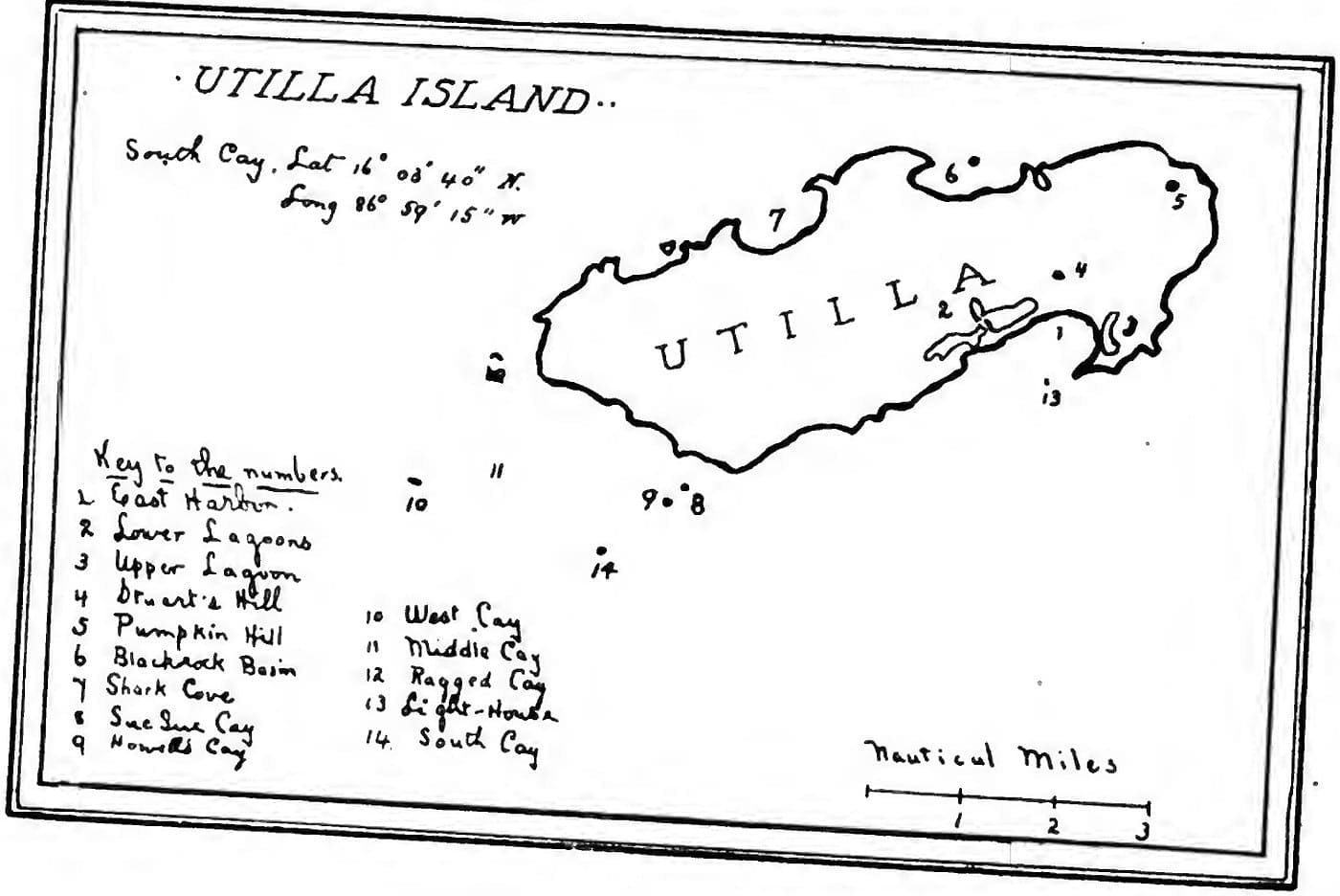 November 14, 2026Stone roads, burial mounds and the bear-shaped water pot: Utila's first islandersLong before the dive shops, people built stone roads across Utila's swamps and buried their dead in mounds by the beaches. Here is what one 1904 writer found of them, and how the islands came to be emptied.Read the story
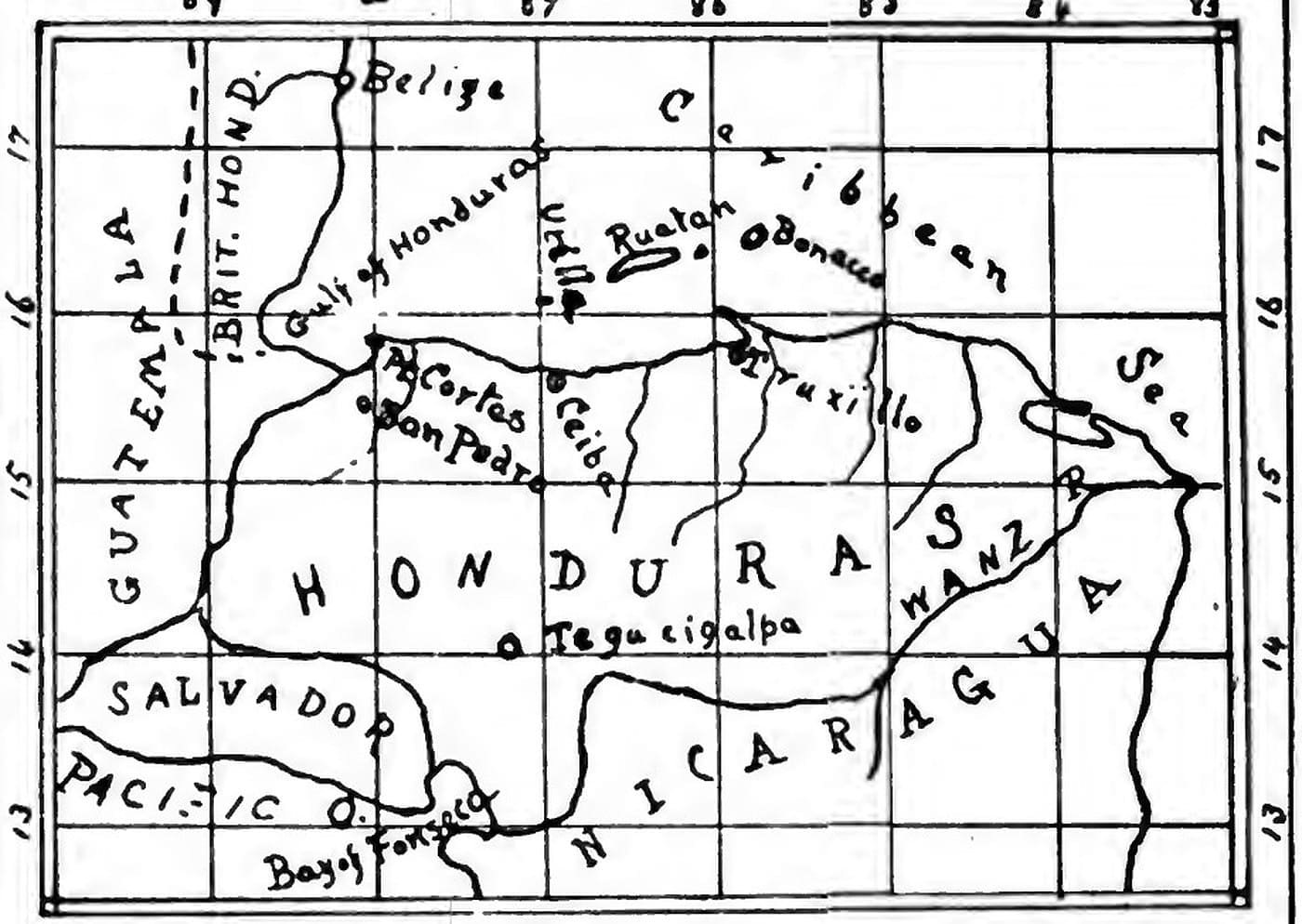 October 9, 2026Port Royal: the harbour that shaped Roatán's historyPirates, a forgotten fort and a harbour "capable of being made impregnable": the story of Roatán's east end.Read the story
 October 9, 2026From Grand Cayman to the Bay Islands: the settlers who built island lifeIn 1836 one family from Grand Cayman landed on the Utila cays. Within a generation the Bay Islands had a flag, an assembly and a treaty.Read the story